Photo by Imogen Warren. Early photographic evidence of geese’s echelons in flight led researchers to believe that the positions that individuals would take within the formation were often not in optimal locations.. Some geese seemed to take an aerodynamically optimal position. In contrast, others would take up a position better suited to maintaining visual contact with the flock, and others.. This corkscrew updraft is called a tip vortex, and it enables the geese to save considerable energy during long flights. The V-formation may also enhance birds’ ability to see and hear each other, thus avoiding mid-air collisions. Small birds probably do not create enough of an updraft to help others in the flock and don’t fly in vees.
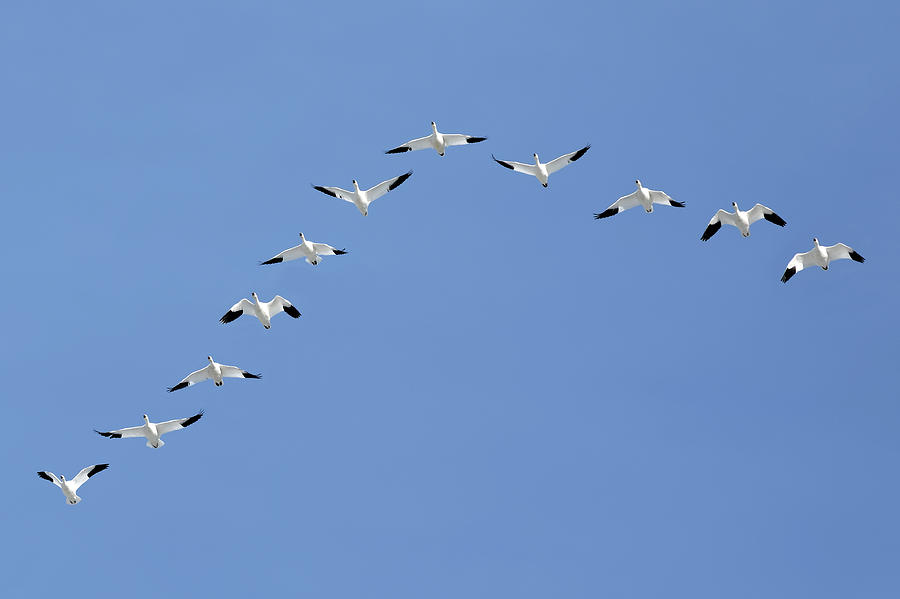
Migrating Snow Geese Flying in V Formation Photograph by Delmas Lehman Pixels
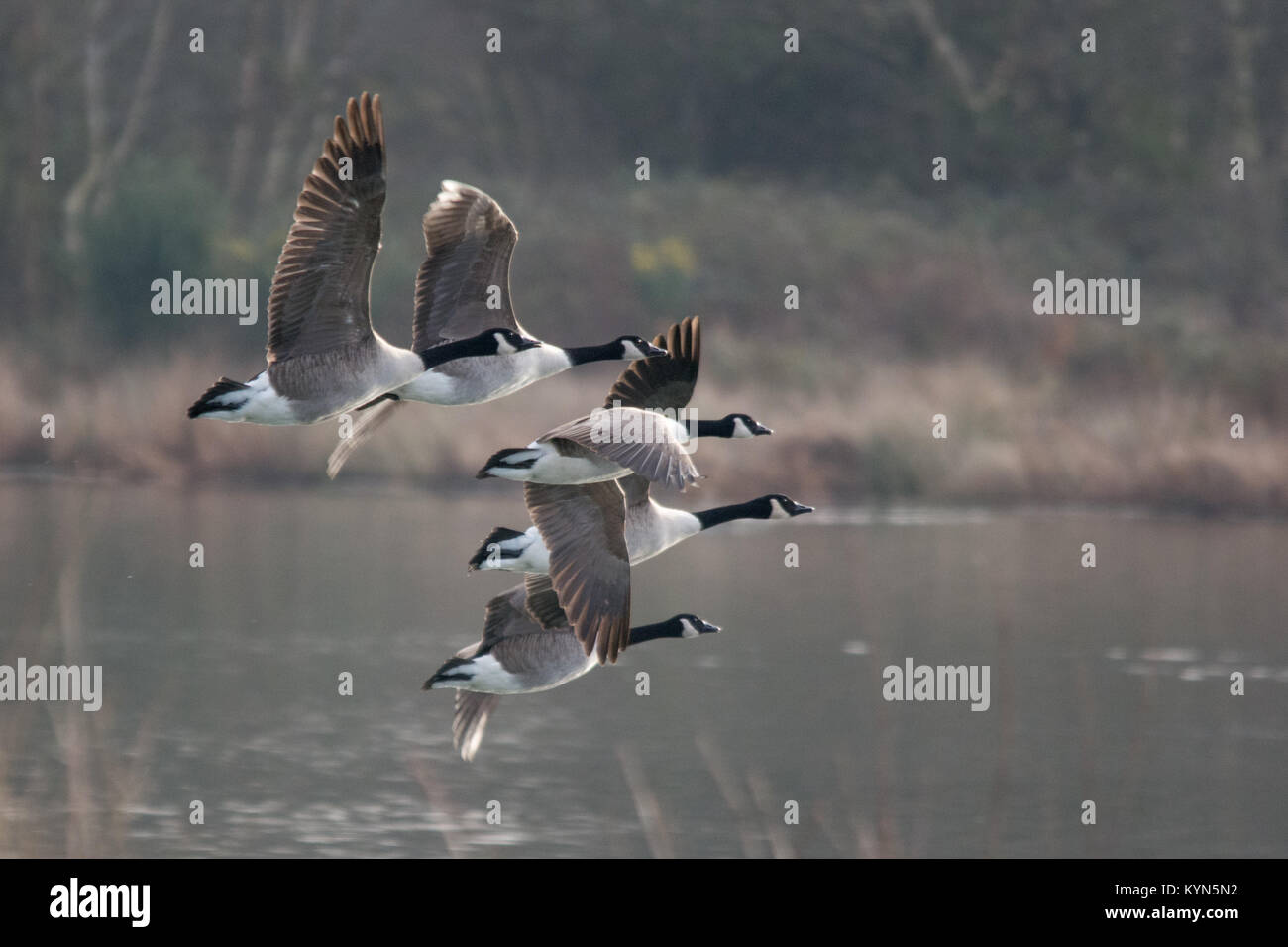
Skein of geese in flight hires stock photography and images Alamy
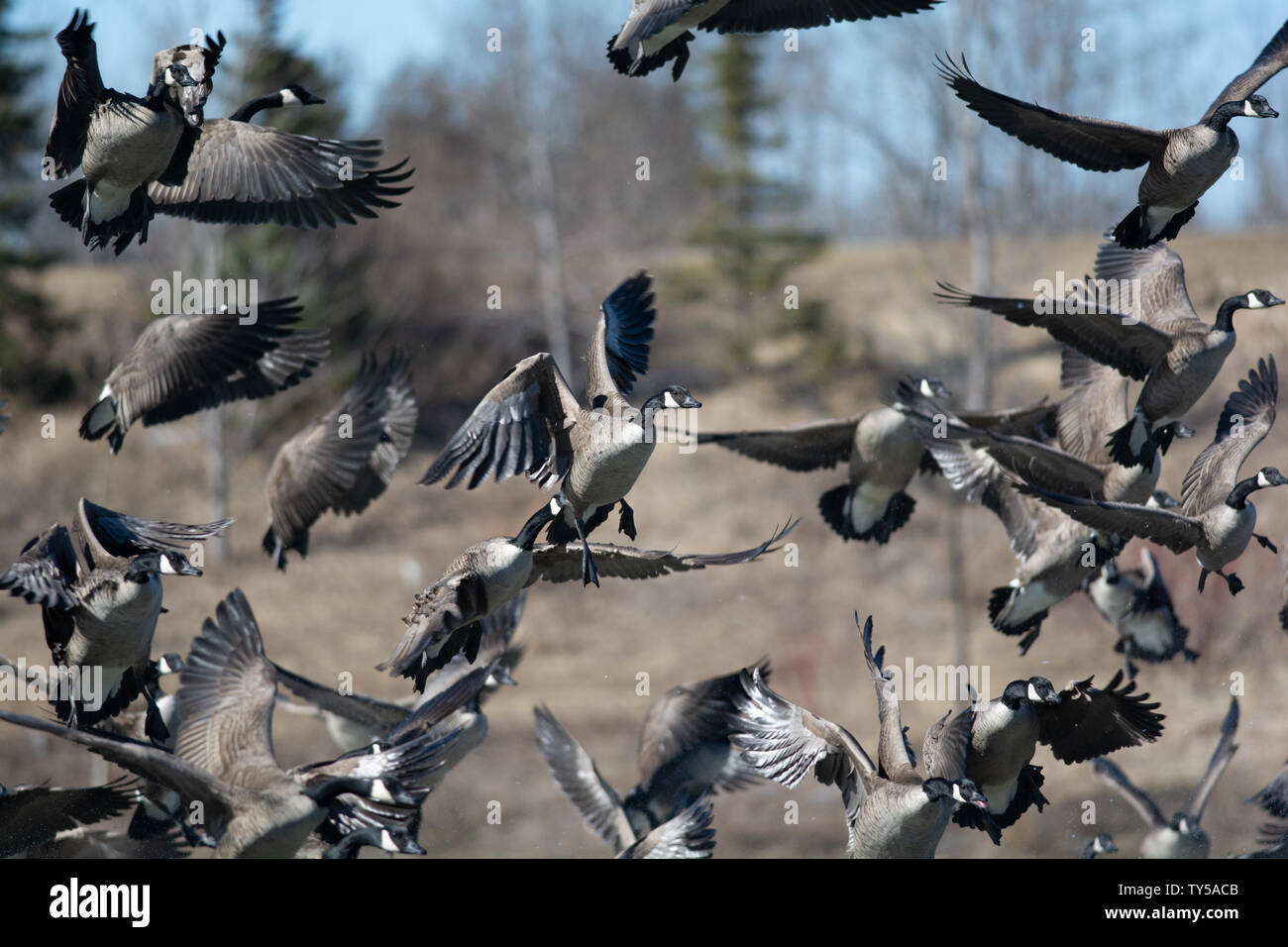
A group of Canada geese in flight Stock Photo Alamy
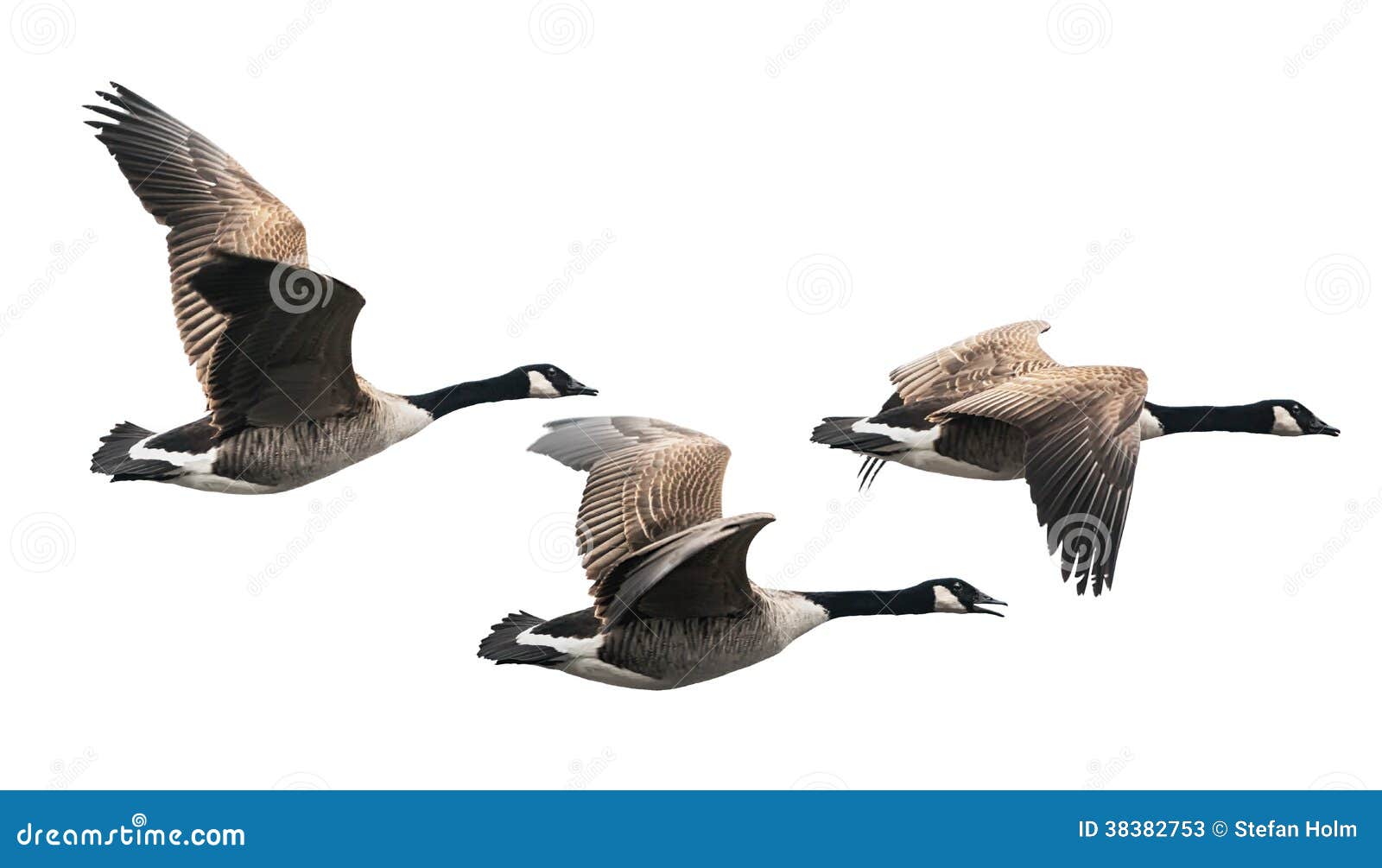
Canada Goose Flying in Group Stock Image Image of flying, group 38382753

Group Of Flying Geese Free Stock Photo Public Domain Pictures
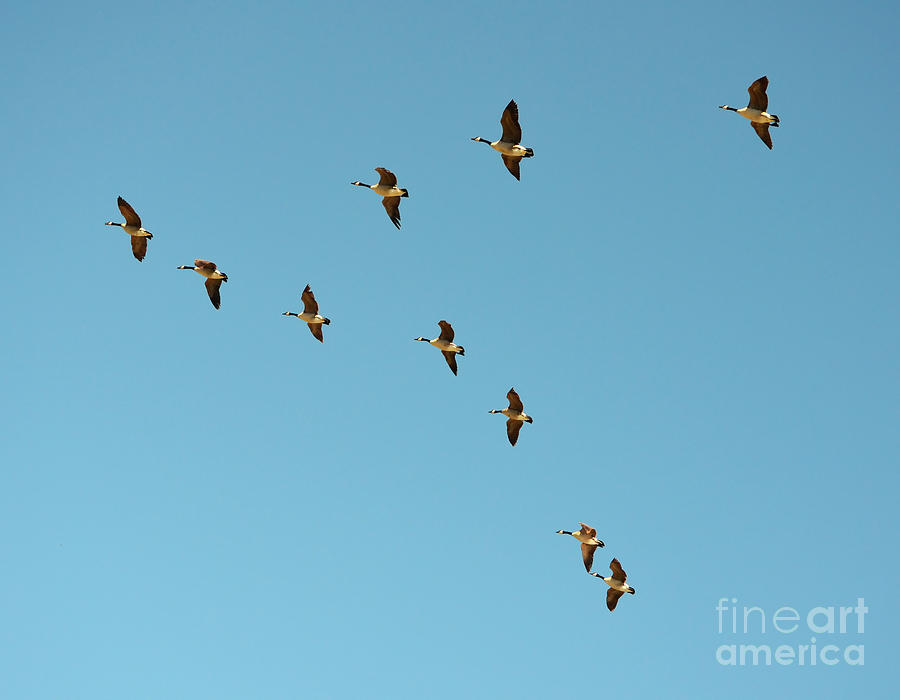
Flock of Geese Migration Flying in Formation Photograph by Shawn O’Brien
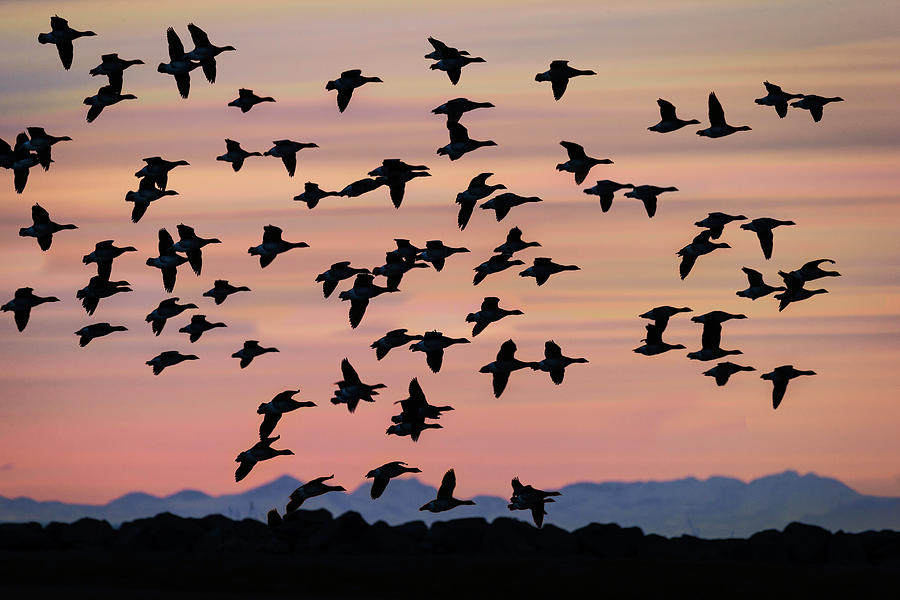
Flock Of Geese Flying At Sunset 1 Photograph by Panoramic Images Pixels

Flock of Egyptian Geese (Alopochen aegyptiaca) in flight Stock Photo, Royalty Free Image

Flock of Geese in Flight Against a White Sky in Nature Stock Photo Image of birds, body 107253462

Beautiful Flocks of Geese Flying Lake of the Woods
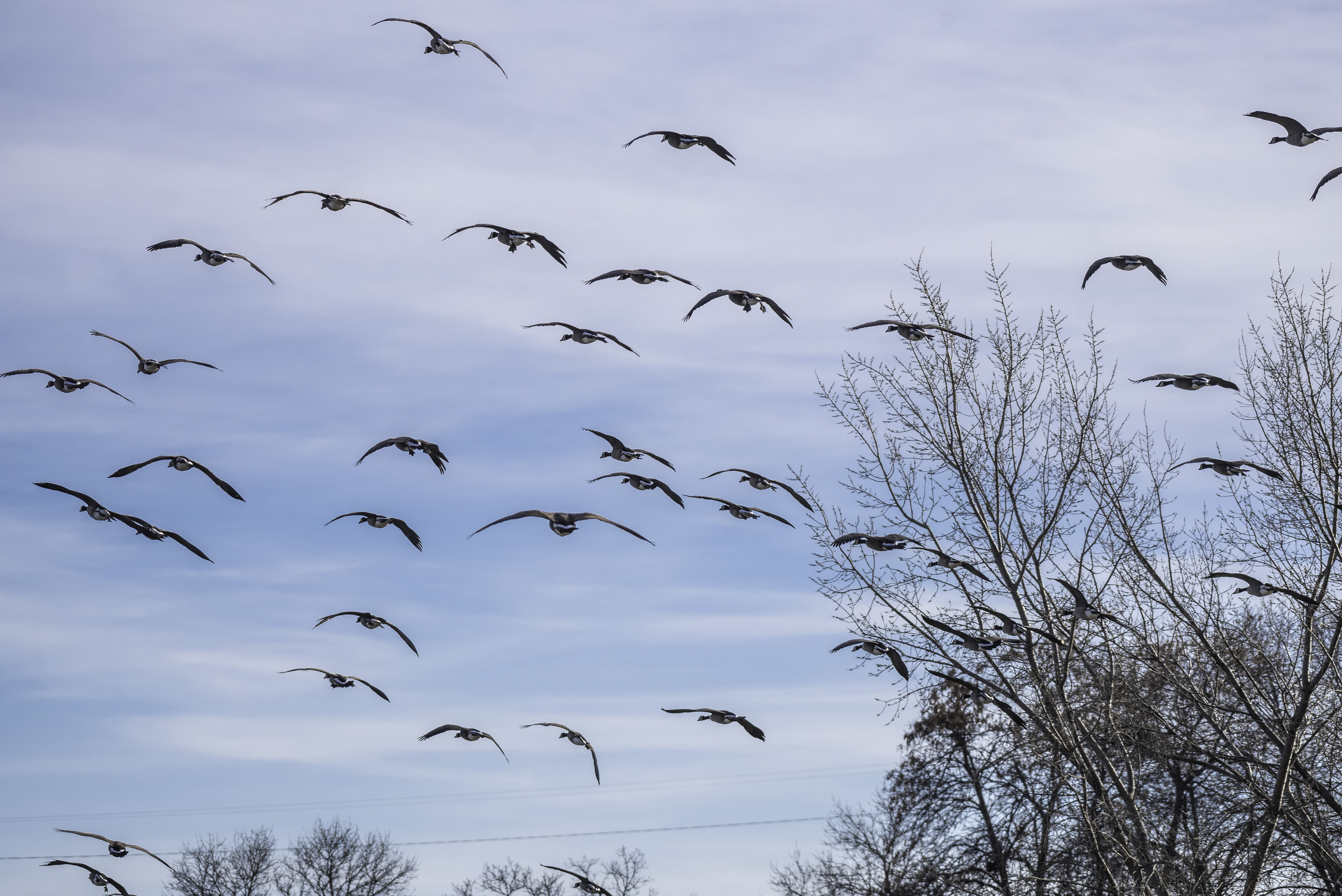
Group of Geese in flight image Free stock photo Public Domain photo CC0 Images

Flock of Geese in Flight Naperville, Illinois C. Michael Perkins Flickr
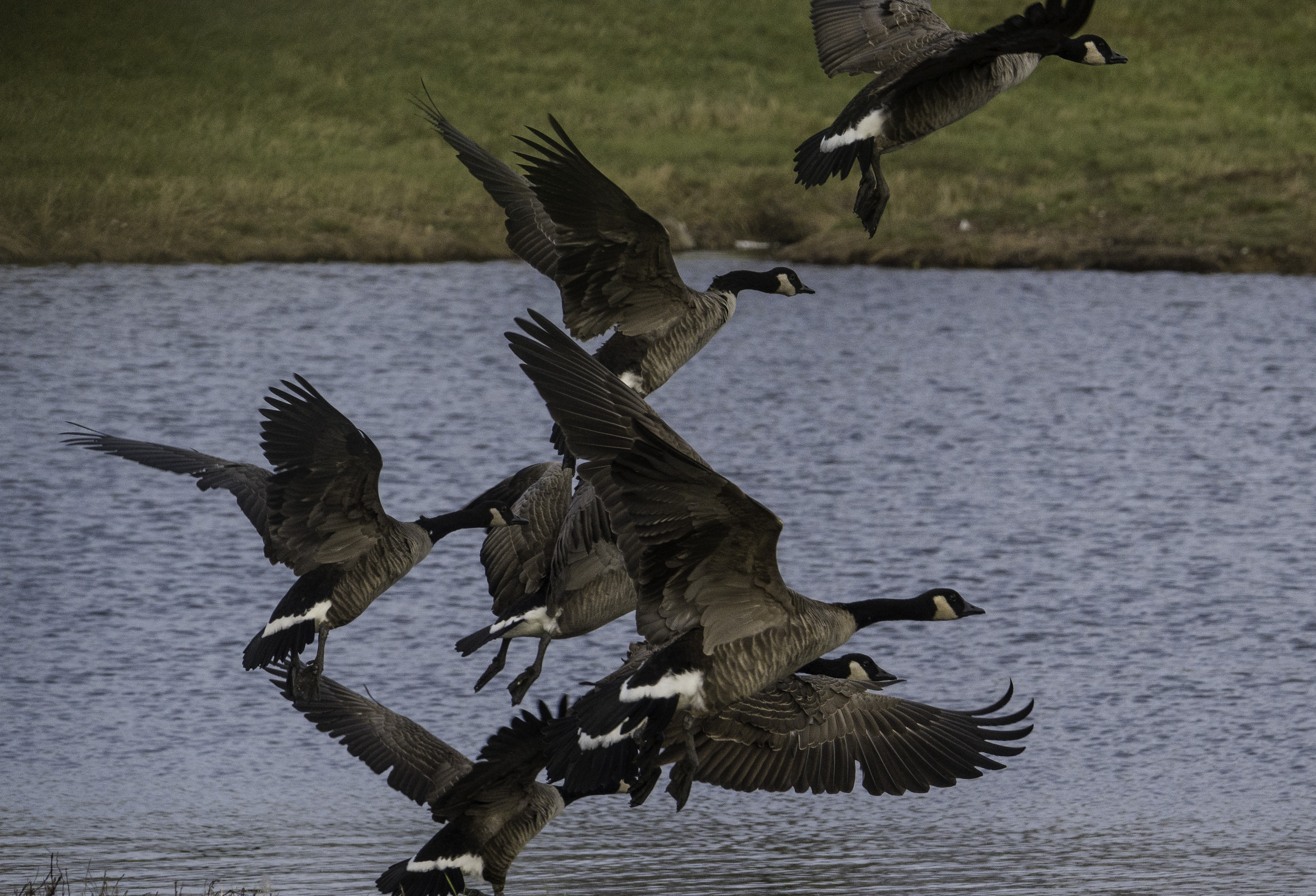
Group of Geese Taking Flight image Free stock photo Public Domain photo CC0 Images

Geese in Flight stock image. Image of flight, nature 24985247
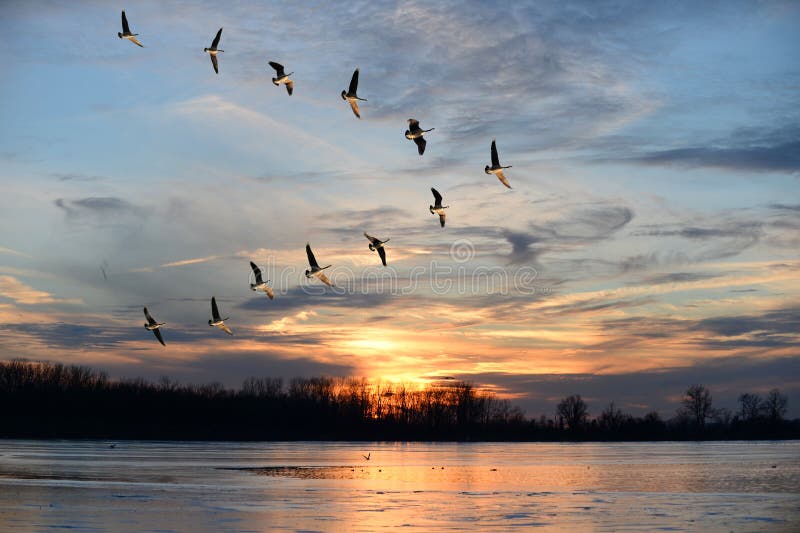
Canadian Geese Flying in V Formation Stock Photo Image of migration, formation 38418144
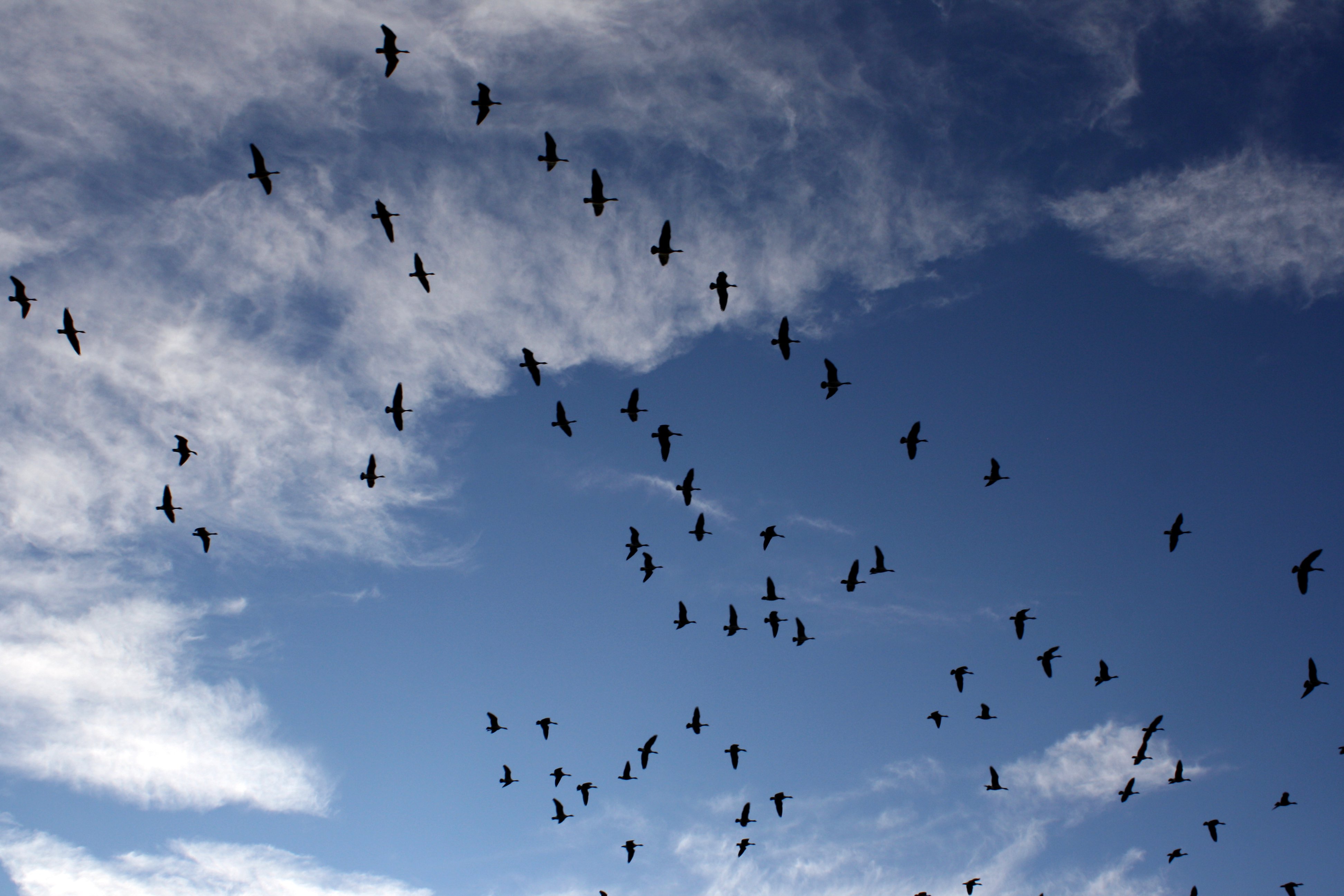
Flock of Geese Picture Free Photograph Photos Public Domain

flock of greylag geese against cloudy sky Stan Schaap PHOTOGRAPHY

Flock of Canadian Geese in Flight Stock Photo Image of wildlife, flying 220804670
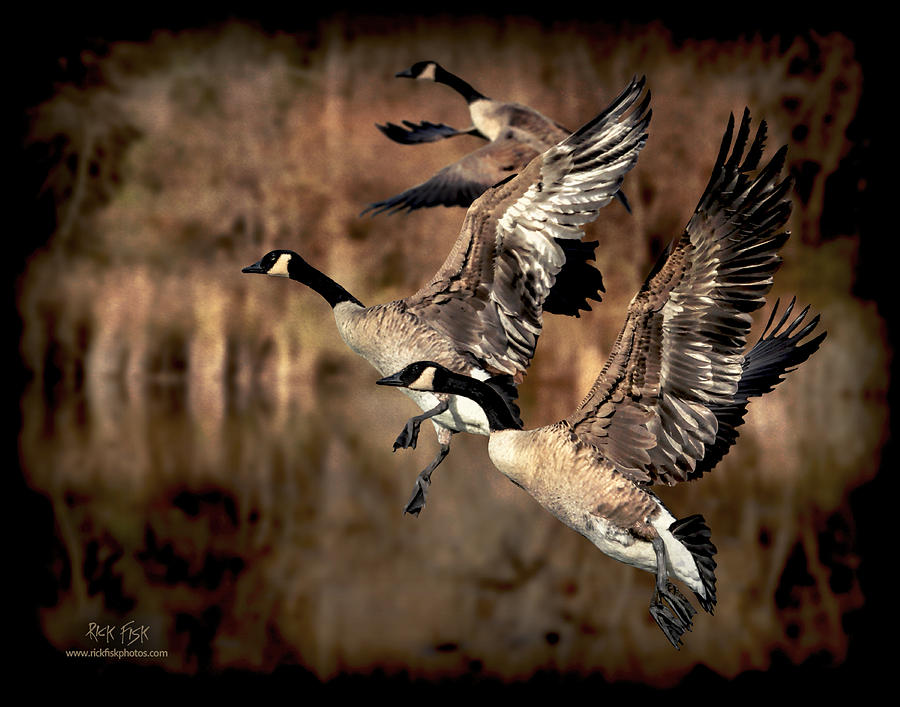
Flying Flock of Canada Geese Photograph by Rick Fisk
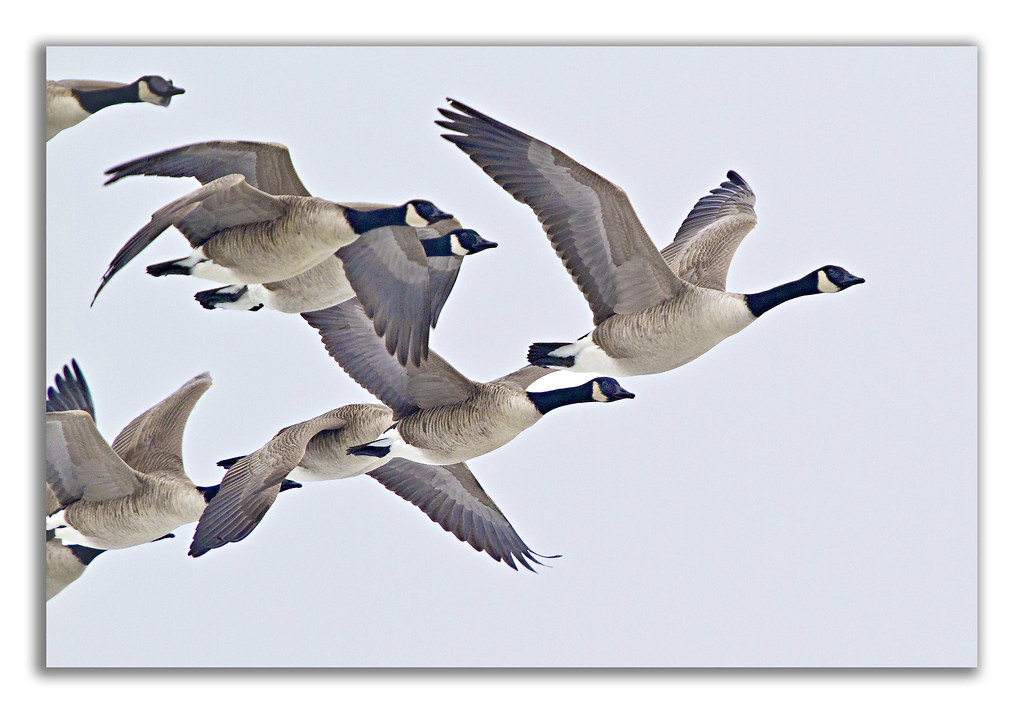
Flock of Canada Geese in Flight Close up of geese flying i… Flickr
Flocks like these use a combination of two organizational patterns. One is a “cluster”: lots of birds flying together in a loose, three-dimensional cloud. The second is a basic V-formation, where smaller groups of birds within the flock sync up in V-shapes, like migrating geese. Voilà! Predator avoidance and aerodynamic efficiency. Full.. Snow Geese travel and forage in noisy flocks often numbering in the tens of thousands and follow a cycle that requires them to fly thousands of miles each year. The flock is able to change direction rapidly because birds can mimic the maneuvers of distant flock members and do not wait for cues from adjacent birds. The annual migration of Snow.