GENEVA (8 March 2023) – UN experts* today said the situation of women and girls’ rights in Afghanistan has reverted to that of the pre-2002 era when the Taliban last controlled the country, effectively erasing progress on women’s rights in the intervening 20 years. They issue the following statement:. A crucial deadline looms for girls in Afghanistan: The Taliban say they “hope” to reopen all girls’ secondary schools in late March 2022, when the new school year commences in most provinces.

These Humanitarians Want to End Gender Inequality in Afghanistan
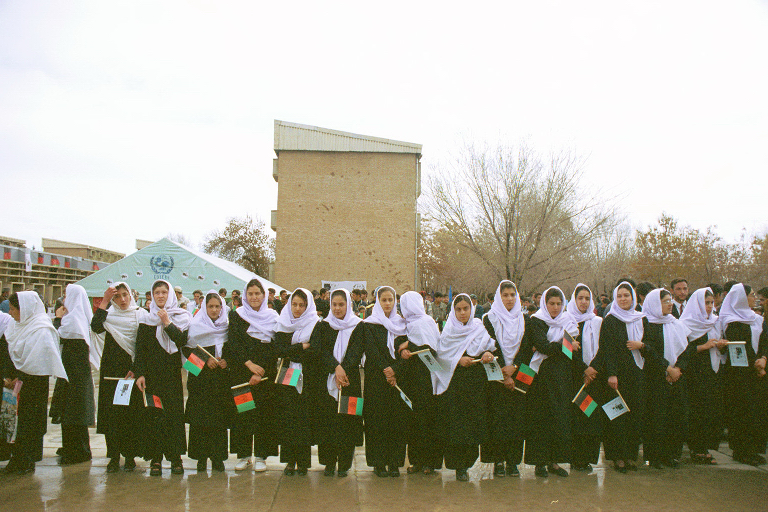
Afghan_school_girls_in_2002 Voice of International Affairs
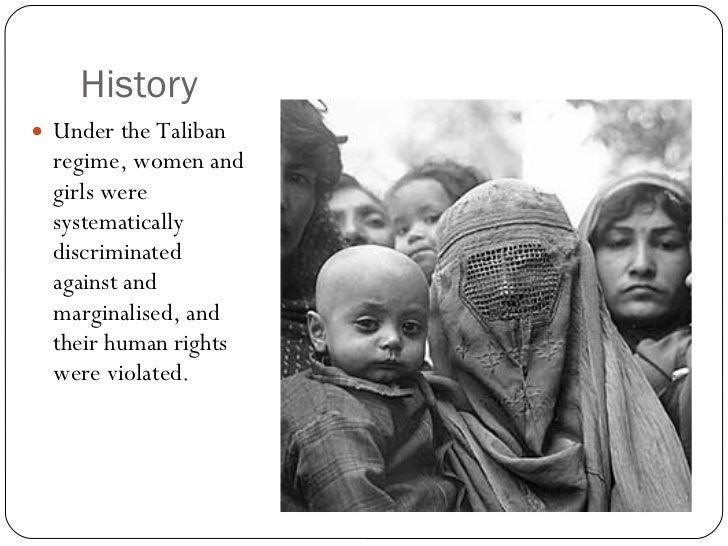
Return of the Taliban in Afghanistan The human cost
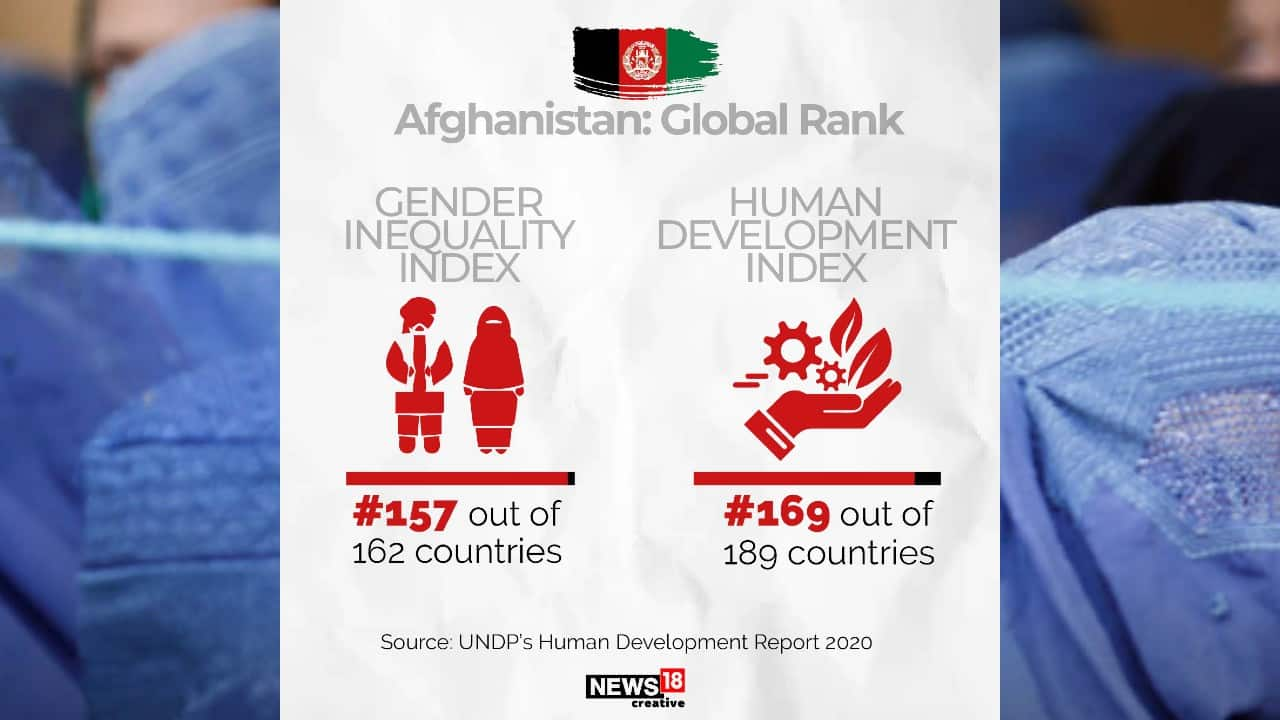
Gender Inequality Afghanistan
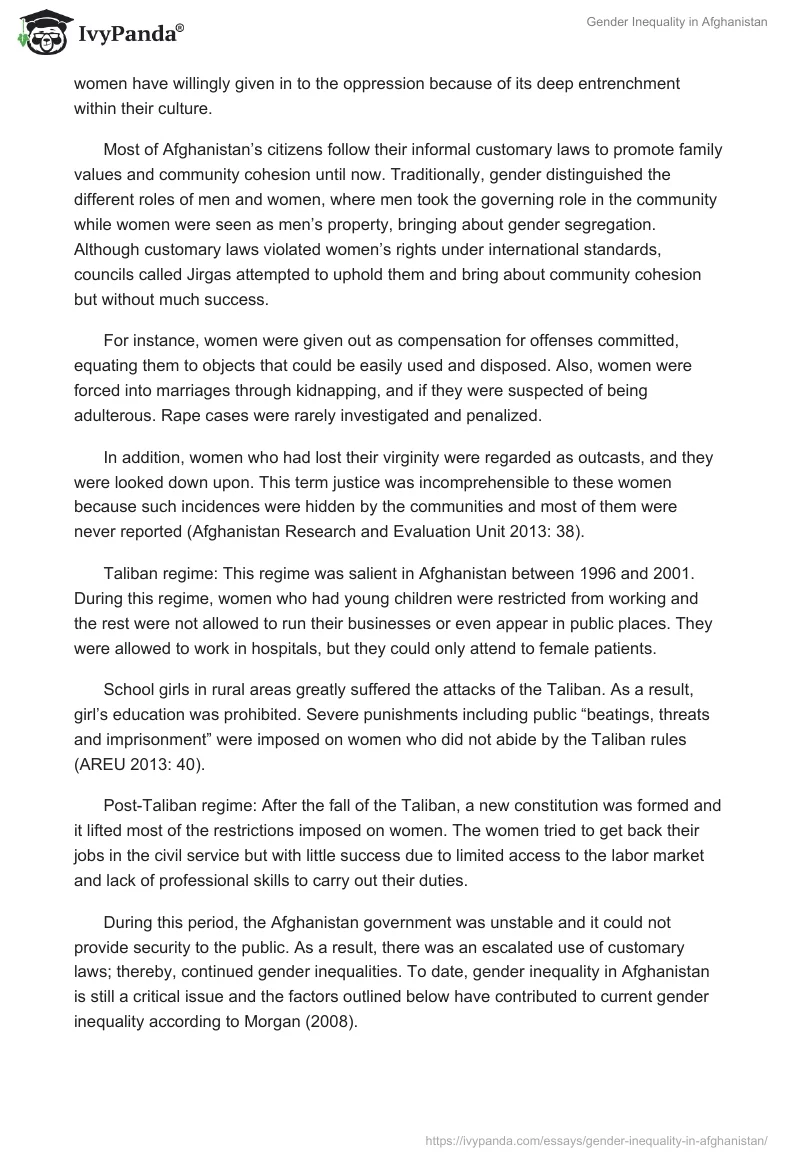
Gender Inequality in Afghanistan 1745 Words Essay Example

Afghans Oppose Taliban’s Women’s Rights Abuses in Afghanistan WPR
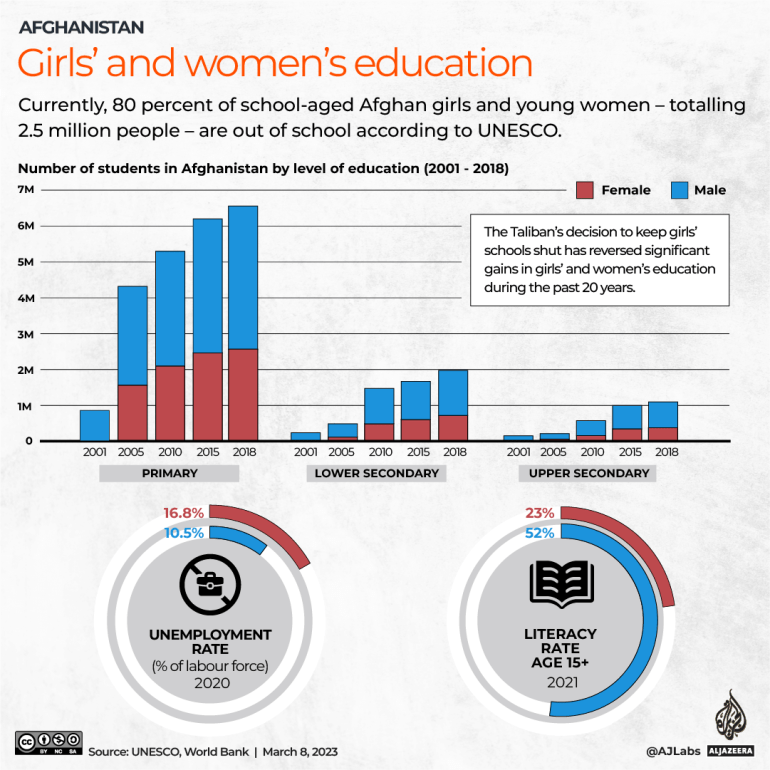
International Women’s Day The exclusion of Afghanistan’s women Women
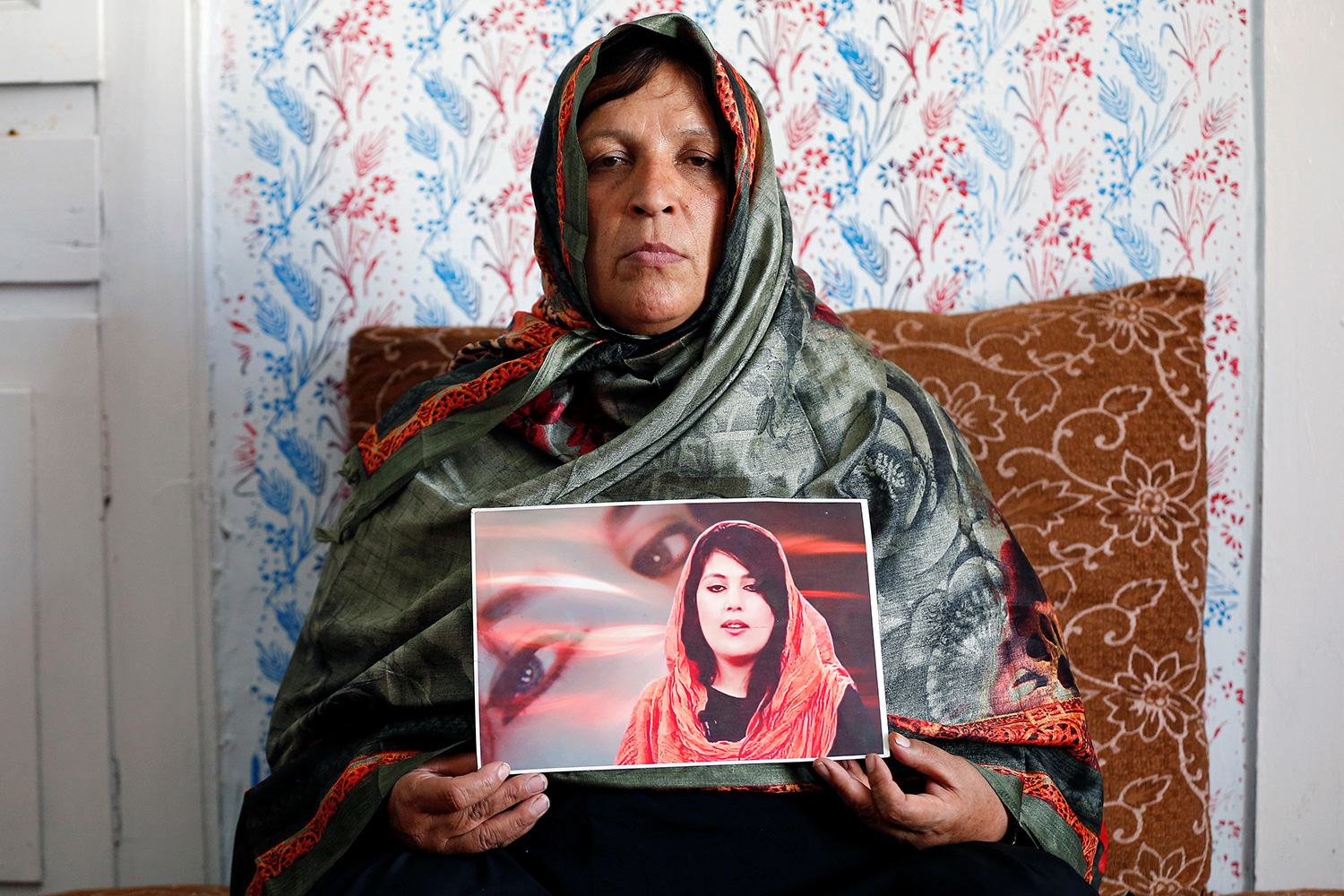
Caring for Survivors of GenderBased Violence in Afghanistan Think

Statistics Gender Inequality In Afghanistan
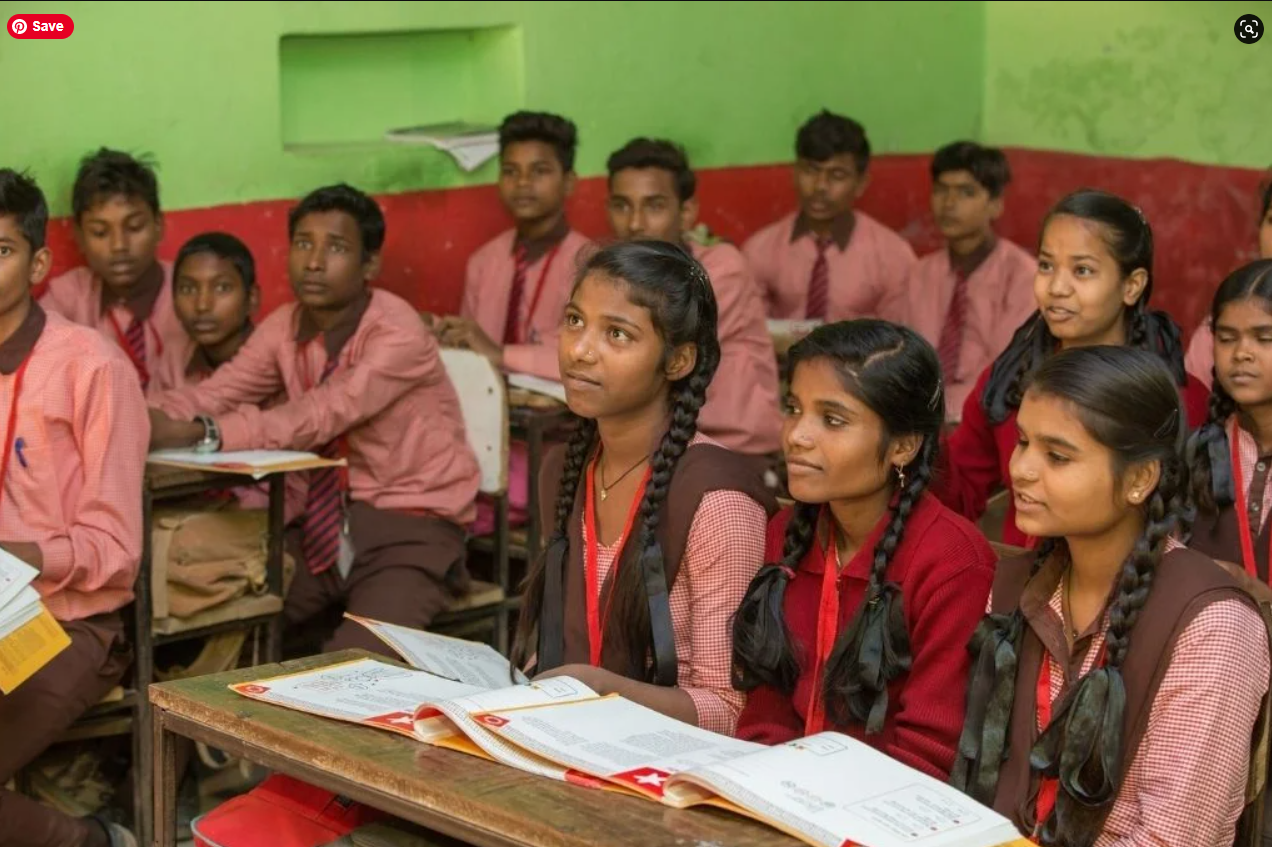
Gender inequality What really needs to change? Jodo India Social
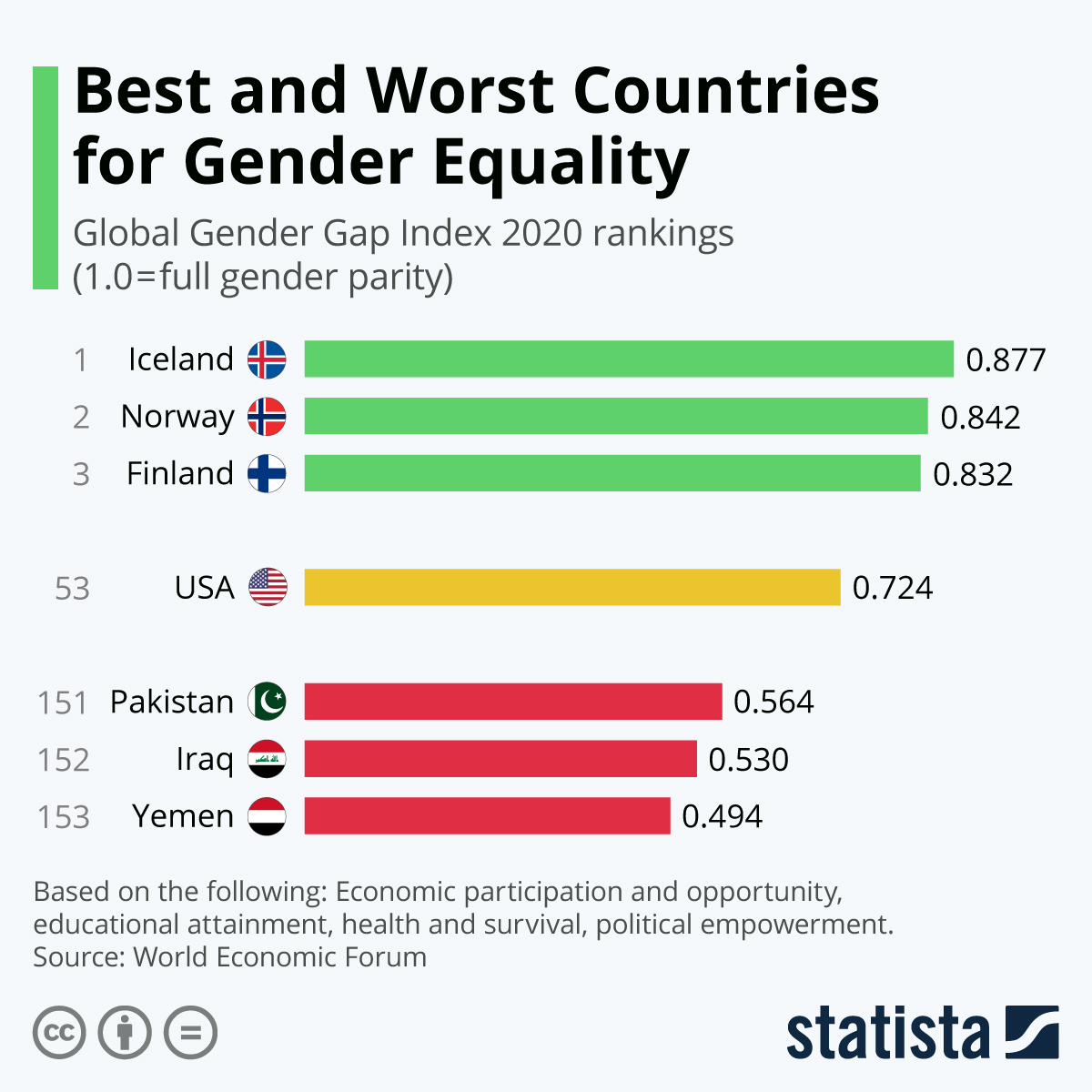
Gender Discrimination Statistics

The Rocky Road To Gender Equality Are Women Better Off Now Than In
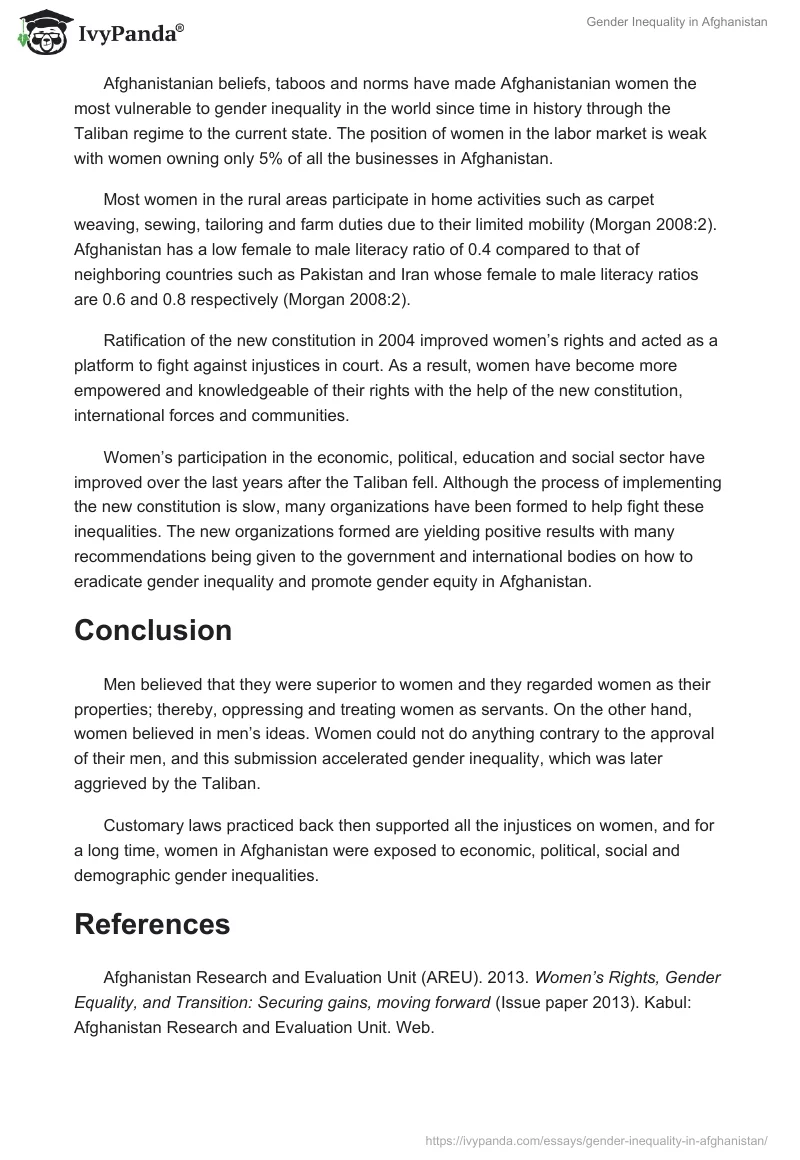
Gender Inequality in Afghanistan 1745 Words Essay Example
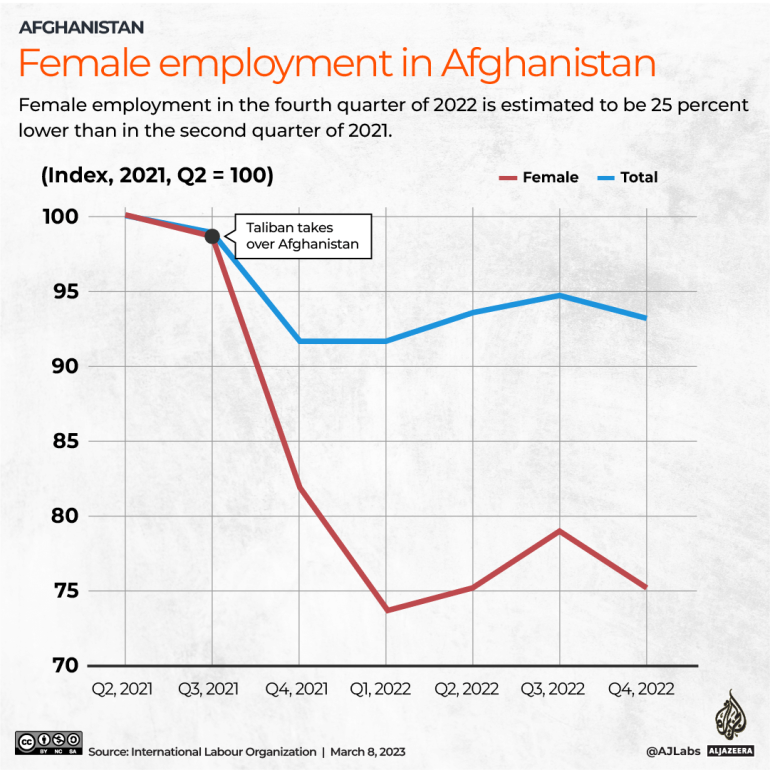
International Women’s Day The exclusion of Afghanistan’s women Women

(PDF) Gender Inequality in Education in Afghanistan Access and Barriers

Pin by Amra on Beauty Womens rights, Women, Afghan
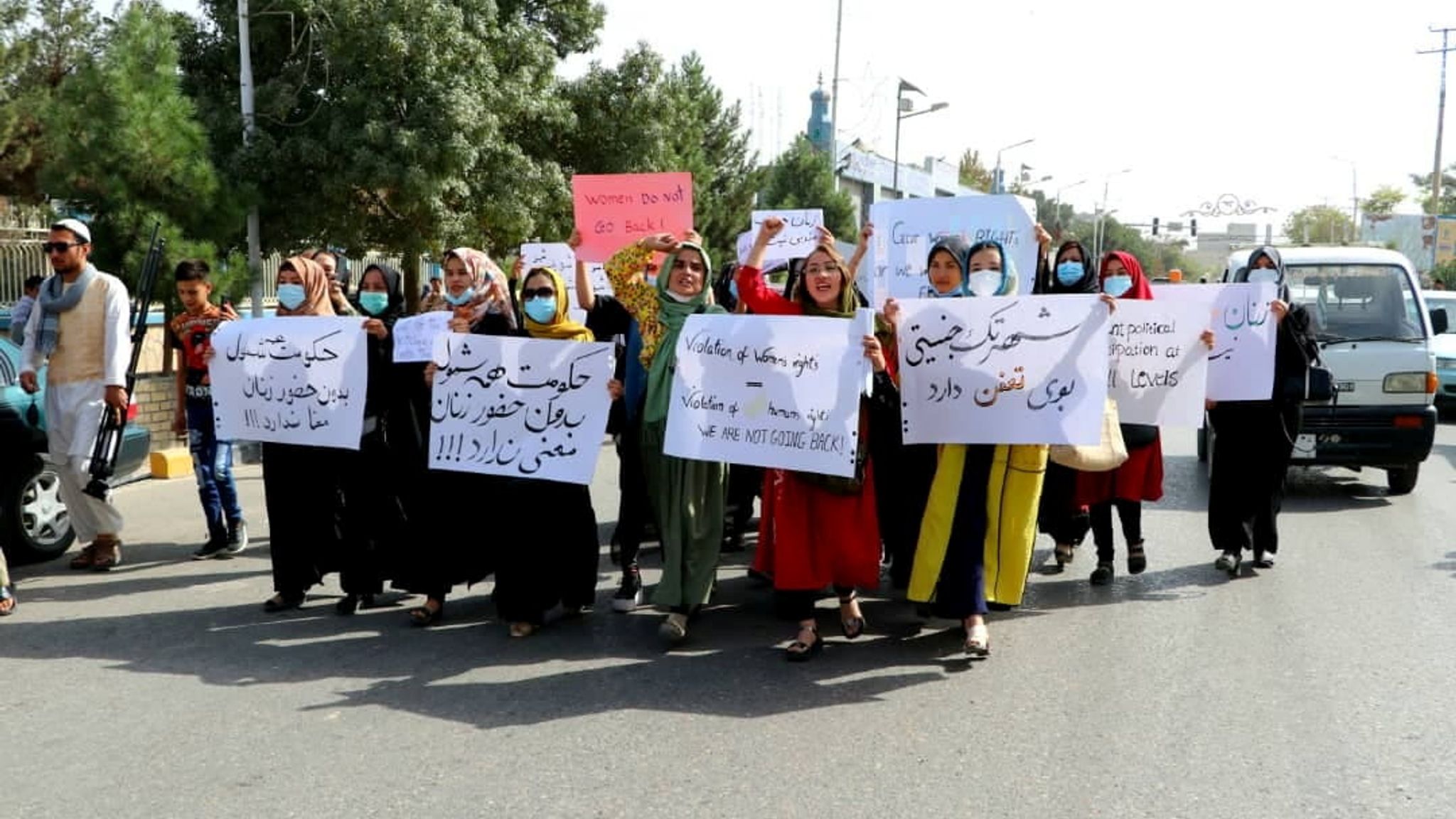
Taliban Les femmes ne peuvent étudier dans des universités non
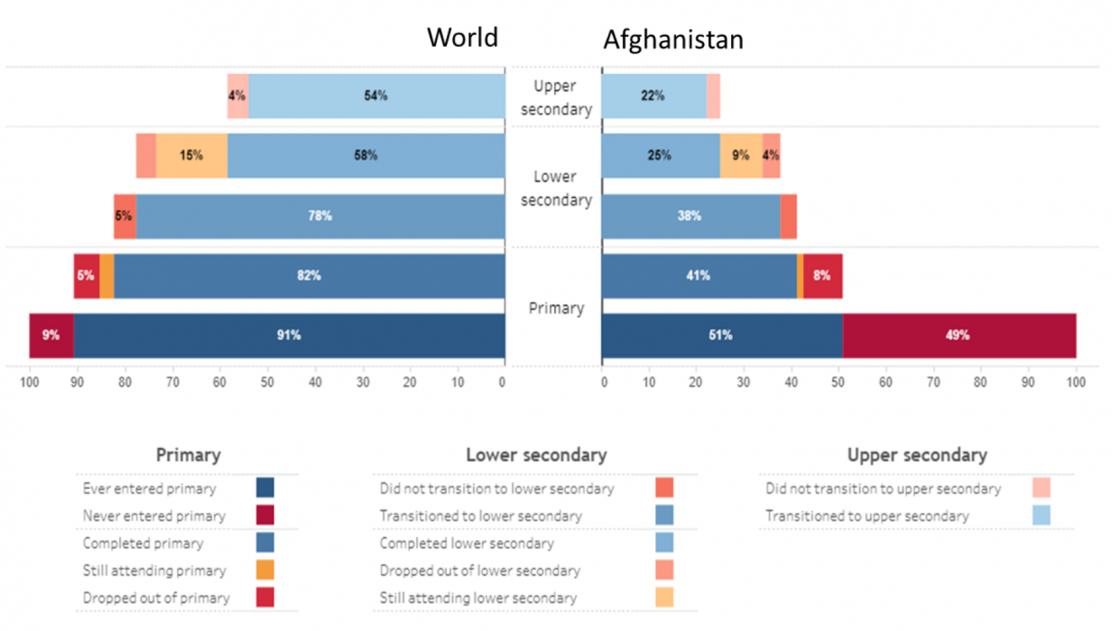
Girls’ Education in Afghanistan Progress and Challenges NORRAG
Gender Inequality in Afghanistan Essay Example

Education for Gender Equality Kashmir Observer
An estimated 3.7 million children are out-of-school in Afghanistan – 60% of them are girls. The underlining reasons for low girls’ enrolment is insecurity and traditional norms and practices related to girls’ and women’s role in the society. Other reasons can be explained in part by a lack of female teachers, especially in rural schools.. The number of girls in primary school increased from almost zero in 2001 to 2.5 million in 2018. By August 2021, 4 out of 10 students in primary education were girls. Women’s presence in Afghan higher education increased almost 20 times, from 5,000 female students in 2001 to over 100,000 in 2021. Literacy rates for women doubled during the.